What Is Not Music? Hummin’ & Strummin’ with William T. Wiley
April 22 – June 6, 2027
Haight Street Art Center
An exhibition featuring William T. Wiley’s audio, video, and music-themed artworks.
Haight Street Art Center
215 Haight StreetSan Francisco, CA 94102Thursday–Sunday 12 p.m.–6 p.m.
Free
ADA Accessible
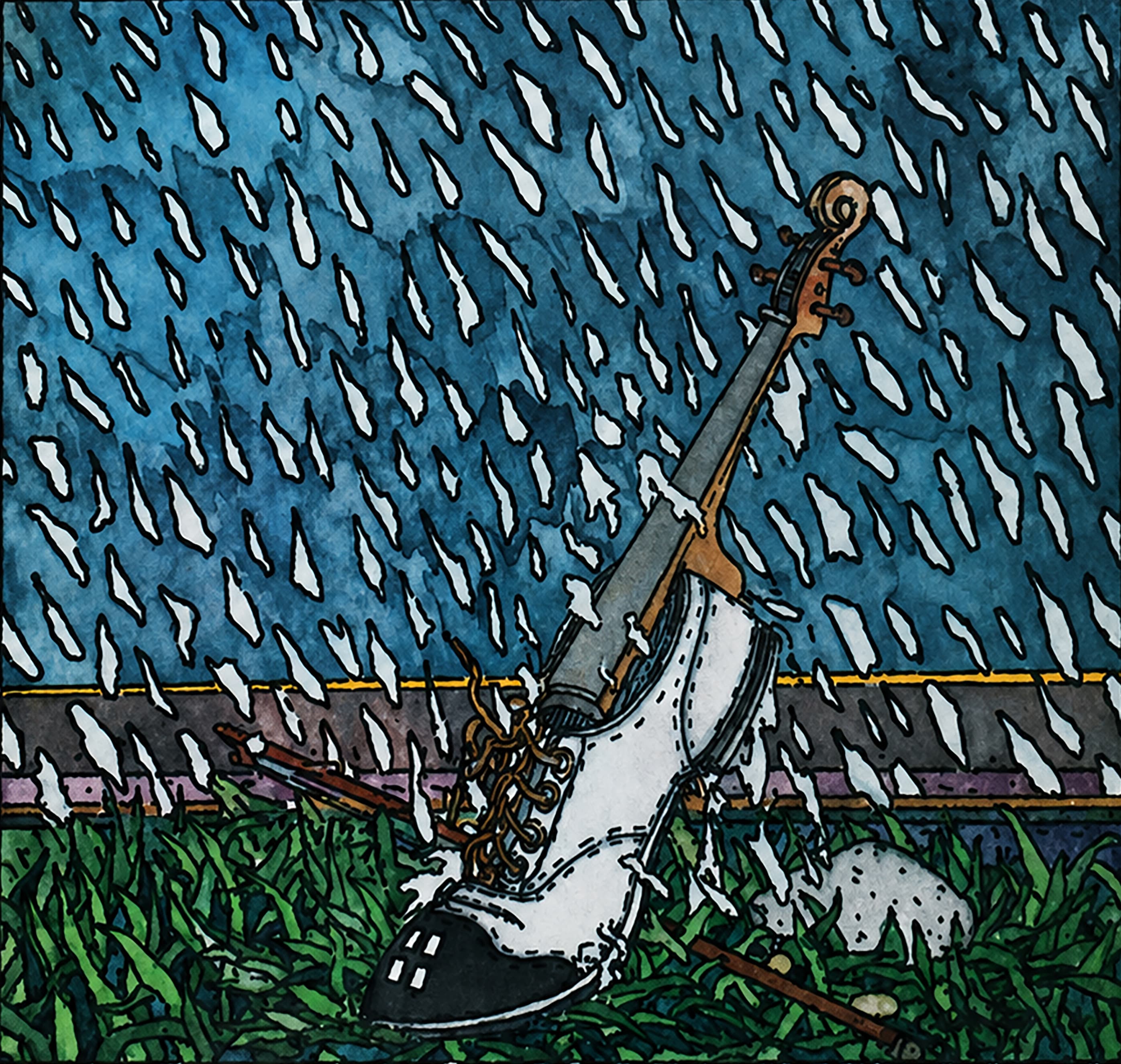
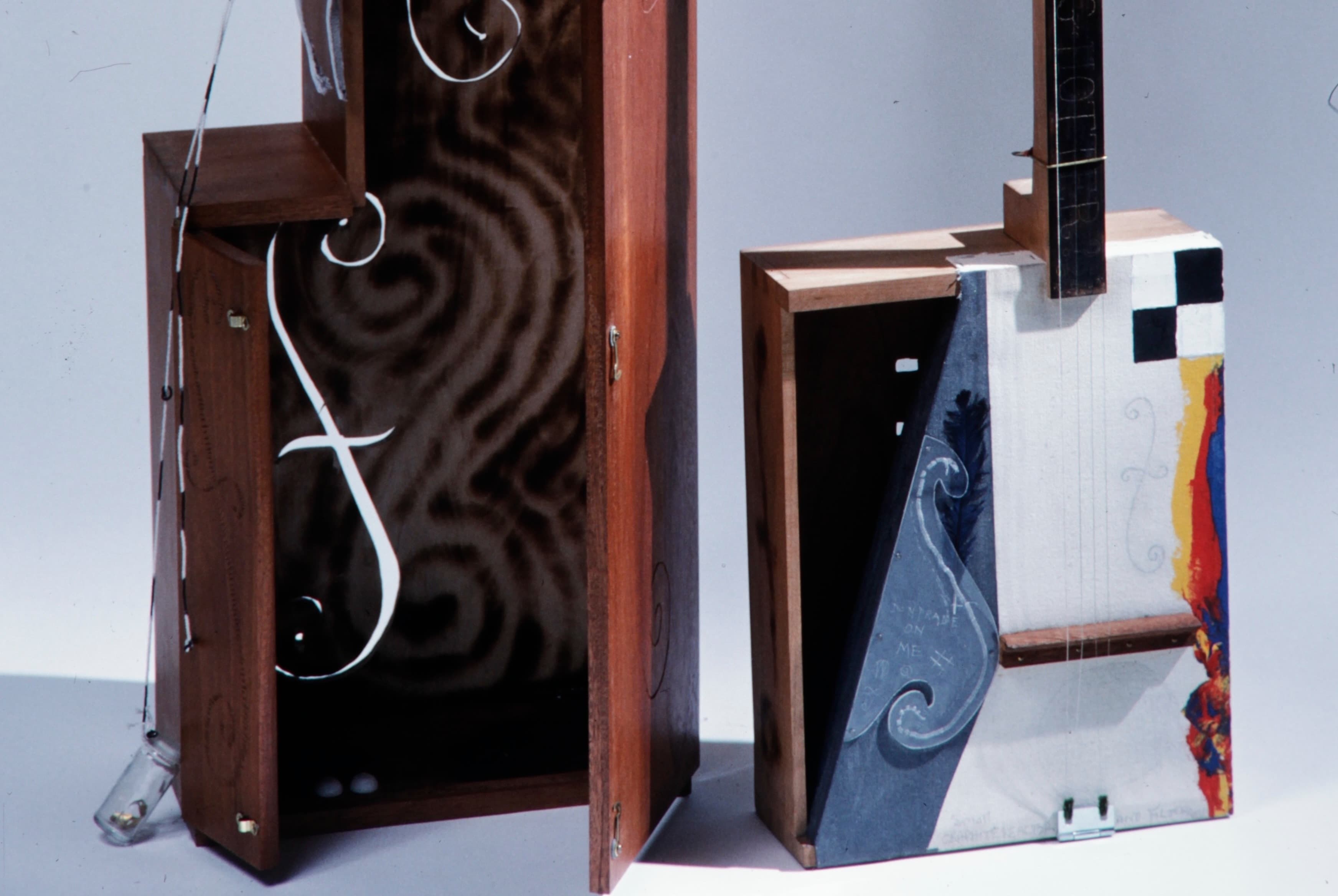
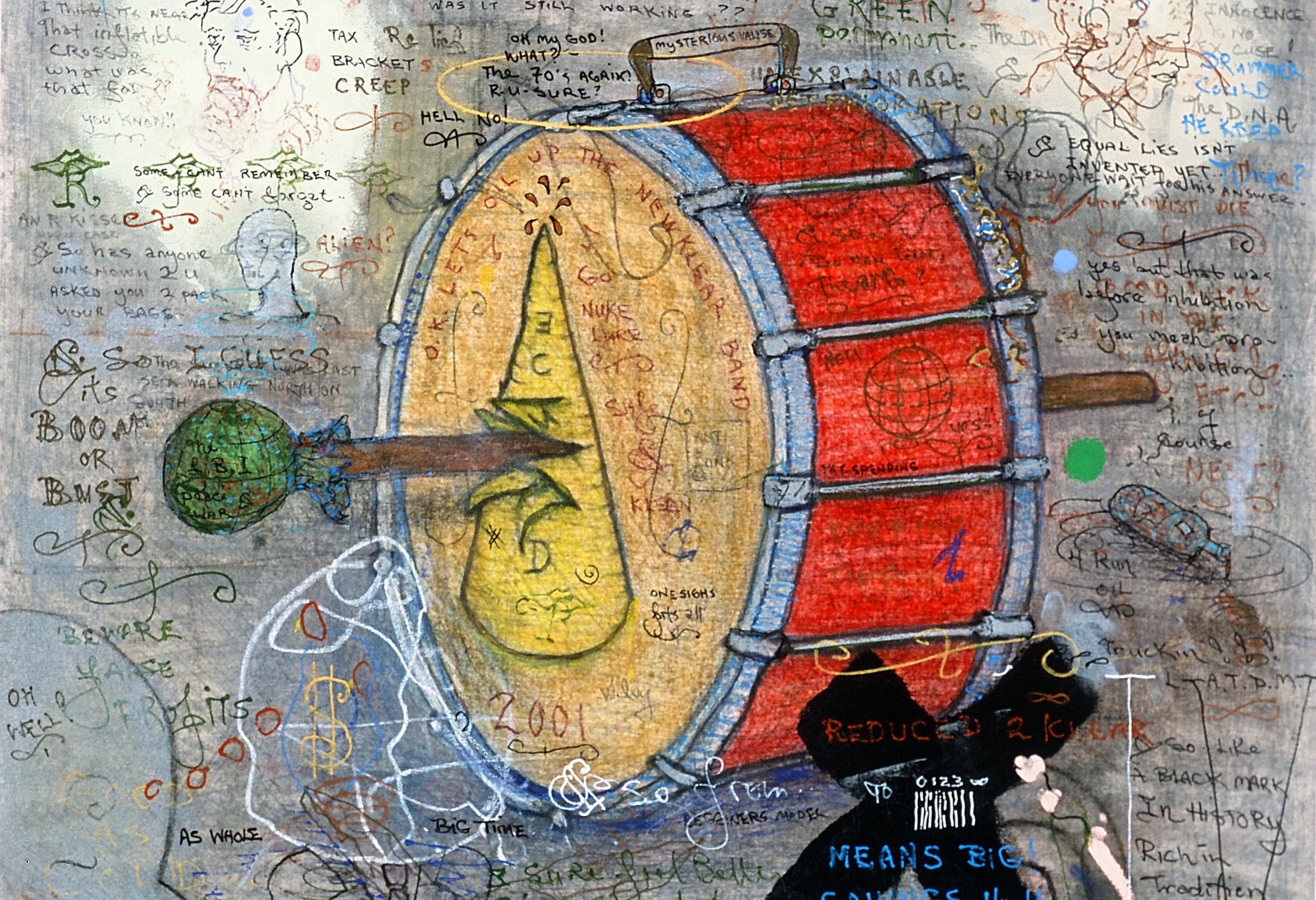
What Is Not Music? Hummin’ & Strummin’ with William T. Wiley, captures the lyrical side of this important and influential artist via audio, video, and music- and instrument-themed artworks. Known in the fine art world for his paintings, watercolors, drawings, prints, and sculptures, William T. Wiley (1937–2021) was also a dedicated musician, opening for the Grateful Dead, collaborating with composer Steve Reich, performing with Texas artist Terry Allen, and recording with artist Mike Henderson.
Born in Indiana, and raised in Eastern Washington, Wiley came to San Francisco in 1956 to attend what would become the San Francisco Art Institute. Wiley earned his BFA and had a solo show at the San Francisco Museum of Modern Art in 1960, and received his MFA in 1962. By 1963, Wiley had joined the faculty of the UC Davis art department, teaching alongside Robert Arneson, Roy DeForest, and Wayne Thiebaud. During this period, Wiley mentored students who would go on to become major artists in their own right, including Bruce Nauman, Richard Serra, and Deborah Butterfield.
Throughout his life, Wiley exhibited widely, showing at the Walker Art Center (1979), Venice Biennale (1980), Whitney Biennial (1983), de Young museum (1996), and the Smithsonian American Art Museum (2009), where he was given a comprehensive career retrospective. More recently, Wiley’s work was featured in Sixties Surreal, also at the Whitney Museum of American Art.
Exhibiting Artists
William T. Wiley
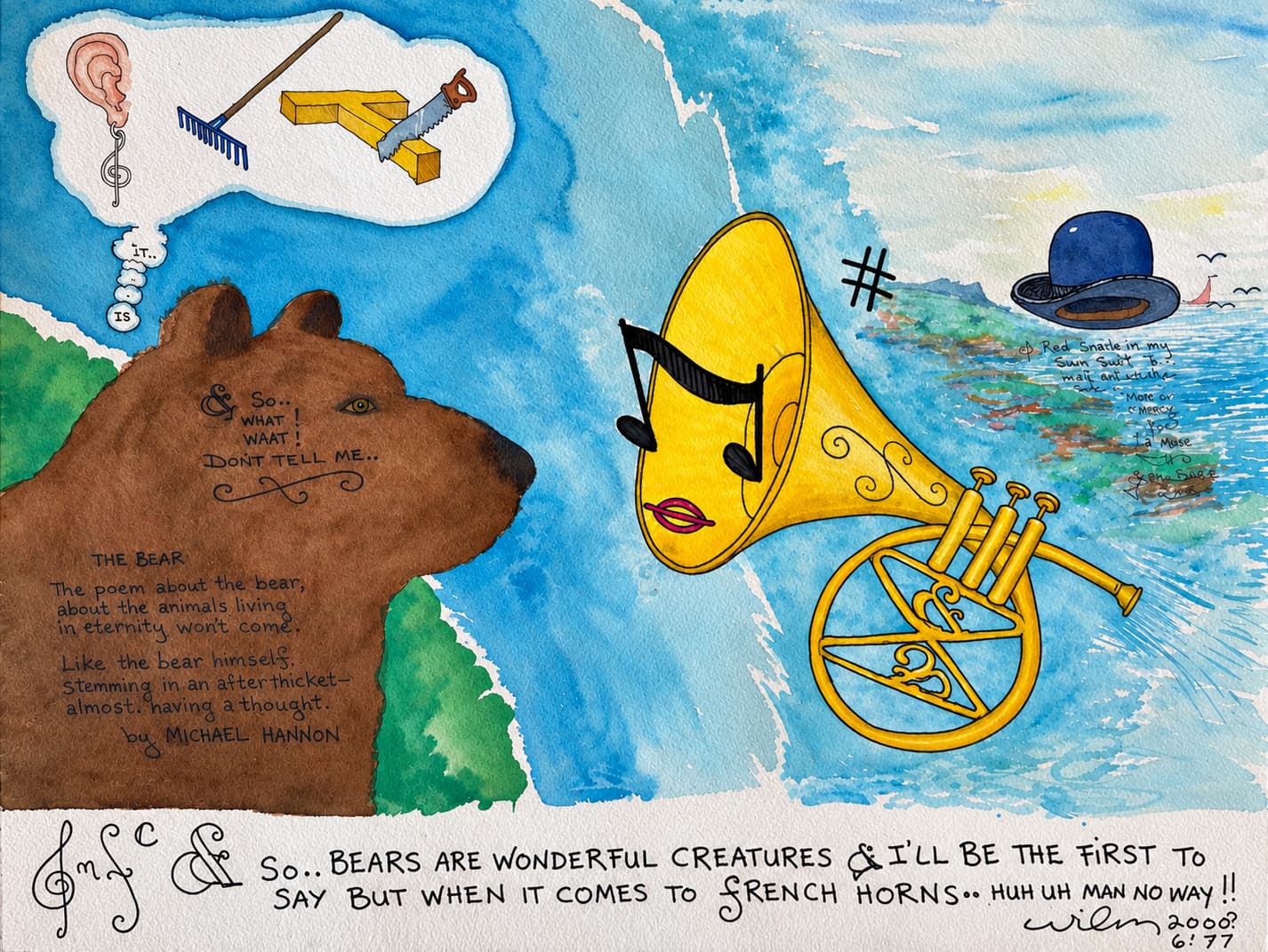
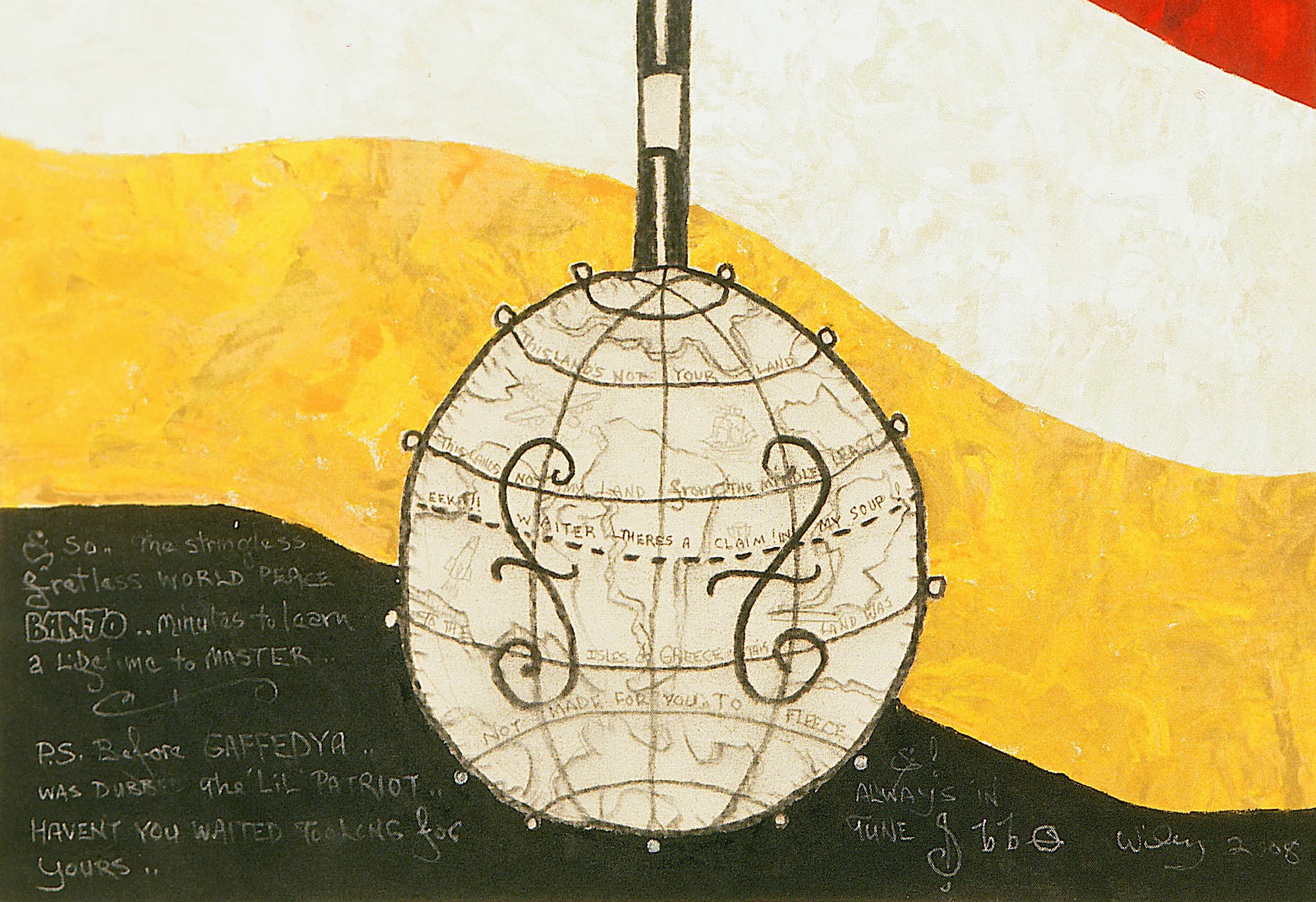
William T. Wiley, The Bear, 2000. Ink and watercolor on paper. Courtesy William T. Wiley Foundation
Haight Street Art Center
The Haight Street Art Center serves San Francisco’s poster art and artist communities with educational and cultural development programs and exhibitions. Drawing upon music, art, and counterculture history, we provide a space that bridges communities through social activism and artistic expression.
Things to Do Around Here
Le Cafe du Soleil, at the corner of Waller and Fillmore, has a good selection of caffeinated drinks.
Ben Marks, Curator, Haight Street Art Center
At Tarragon Cafe try the kale, quinoa, and beet salad. It is one of my go-tos.
Ben Marks, Curator, Haight Street Art Center
As a practitioner of the Zen concept known as the beginner’s mind, T. Wiley visited the San Francisco Zen Center, which is about a block away from our organization and across Page Street from a lovely little park. The center offers regular classes and dharma talks.
Ben Marks, Curator, Haight Street Art Center