Baroque Hippie: The Wainwright Portraits
March 5 – April 24, 2027
SF Recreation and Parks, Harvey Milk Photo Center
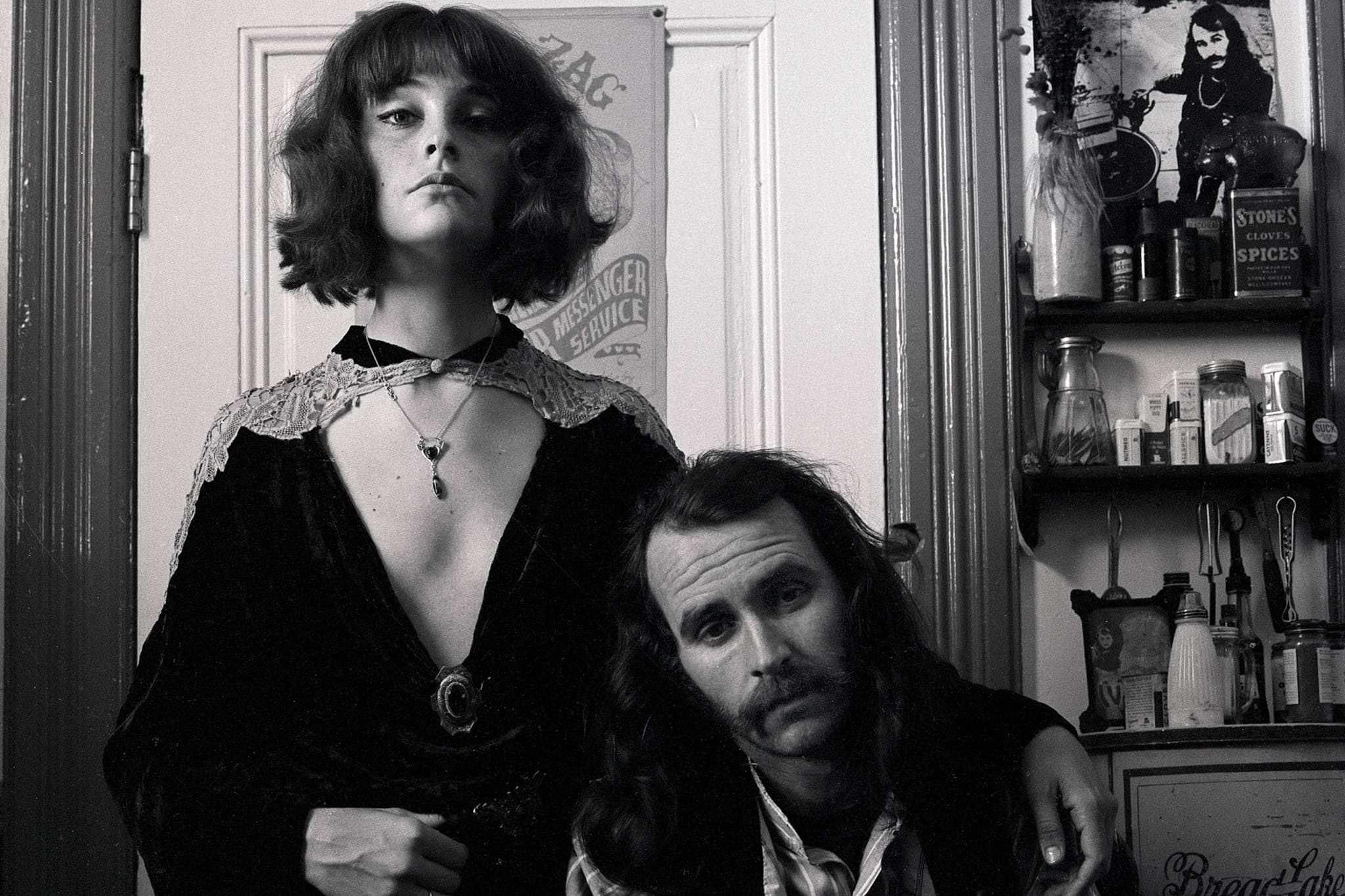
Jerry Wainwright’s 60s-era photographic portraits intimately depict the baroque hippie subculture into which curator Jude Mooney was born.
SF Recreation and Parks, Harvey Milk Photo Center
50 Scott StreetSan Francisco, CA 94117The main entrance is facing Duboce Park.
Tuesday–Thursday 11 a.m.–8:30 p.m.
Friday–Saturday 11 a.m.–4:30 p.m.
Free
ADA Accessible
What began as a mission to rescue near-forgotten negatives from a Victorian steamer trunk became a years-long project for Jude Mooney, who has archived and recontextualized a trove of intimate portraits by little known psychedelic-era photographer Jerry Wainwright.
In 1965 Jerry Wainwright was a 39-year-old television repairman, working out of a small shop on San Francisco’s Haight Street. Wainwright’s passion, however, was taking stylized photos of his neighborhood friends and their families. Over the next decade, his photographs would provide a rare glimpse into the interior spaces and private lives of some of the original founders of the psychedelic scene—a motley crew of musicians, poster artists, anarchists, dancers, and pot dealers.
By the late 1960s the overhyped, overcrowded scene of the Haight Ashbury inspired a subgroup of San Francisco’s original hippie movement to promote a kind of “back to the land” diaspora, relocating to more pastoral adjacent regions such as Marin County, the “Lost Coast” of Mendocino, Santa Cruz, and the Sierra foothills.
Wainwright, along with his wife, Annie, followed this migration north to Marin, and he continued photographing his cohort as they began to put down roots, home-birth children, and attempt to navigate through their youthful idealism into the realities of post-Woodstock/Manson/Watergate America.
Wainwright clearly had a gift for putting his subjects at ease, and we see them in their own kitchens or bedrooms—which are ornamented with Victorian antiques, tapestries, and ferns—posing casually on beds or draped over couches, often quite stoned.
Wainwright’s photos both reflect and foster an idealized vision of how these neobaroque hippies viewed themselves, with the subjects creating highly stylized outfits from hand-sewn or thrift store clothing that blend the Wild West with art nouveau, and which appropriate the fashions of non-Western cultures to create an “exotic” look and set themselves apart from the norm.
This collection of Jerry Wainwright’s portraits were selected by photographer and curator Jude Mooney, who was born into and grew up in this milieu—as a child was among those Wainwright photographed. Mooney’s unique perspective sheds new light on the foibles as well as the glories of a fascinating fragment of the counterculture dream.
Exhibiting Artists
Jerry Wainwright
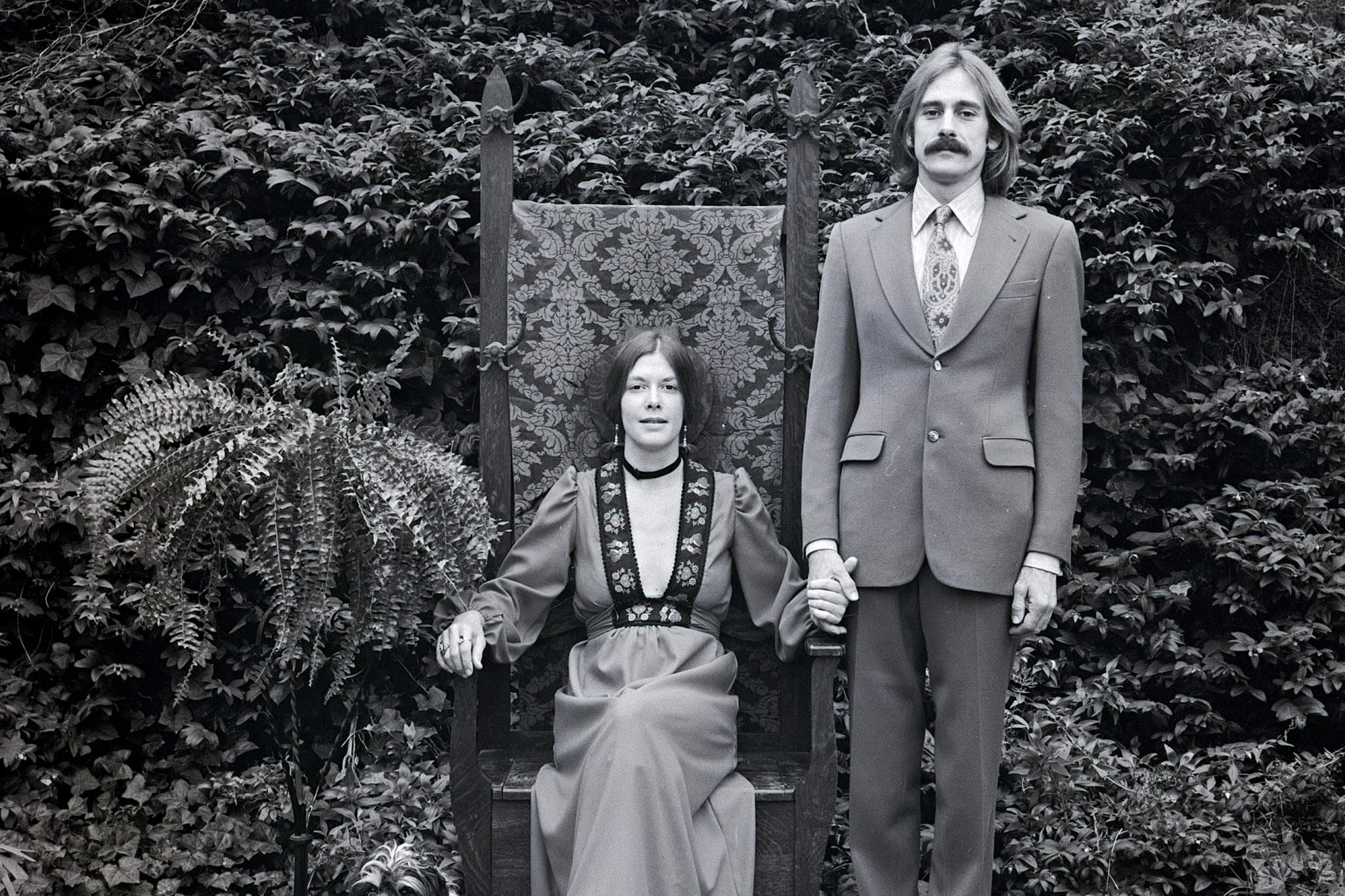
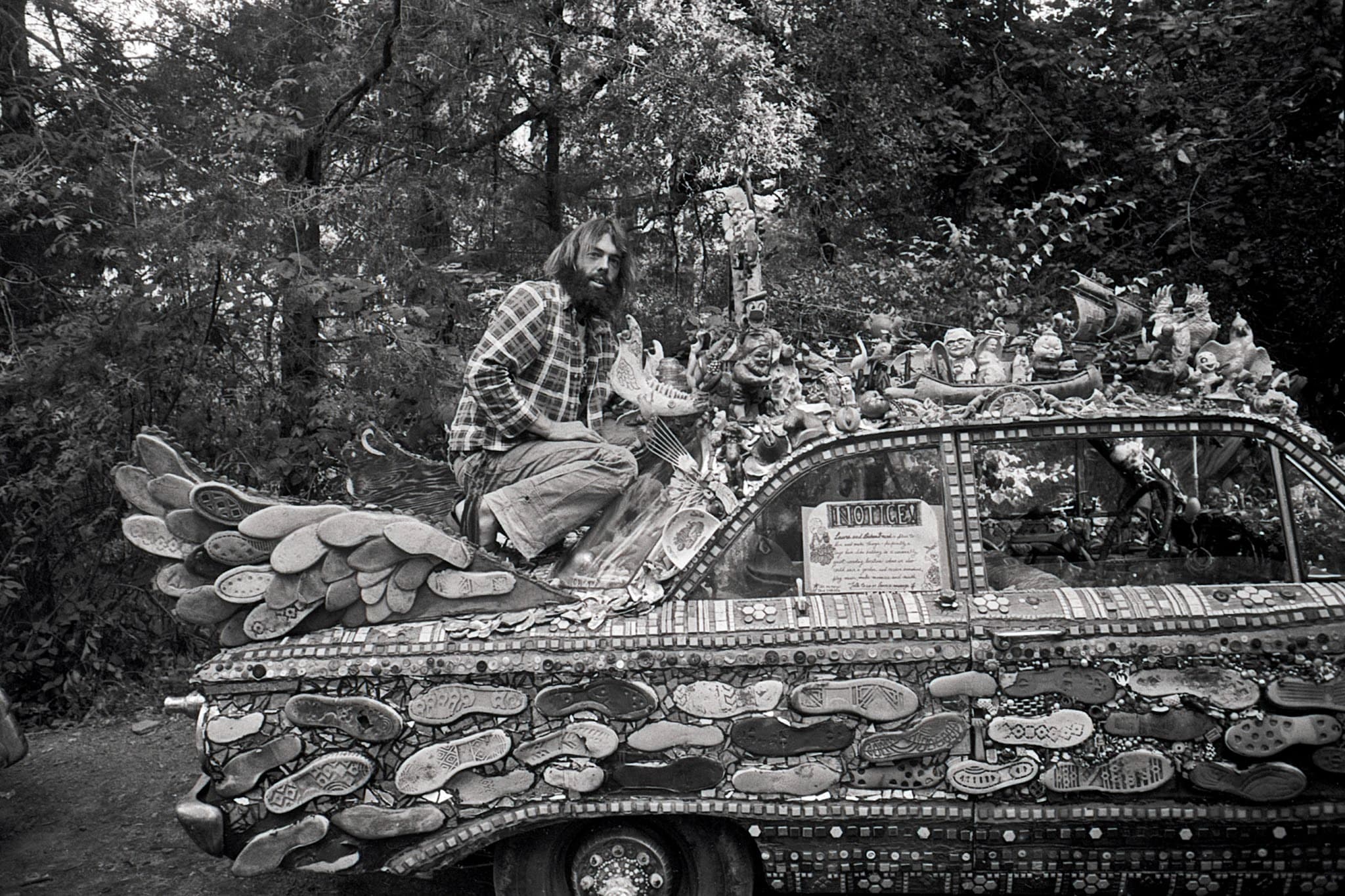
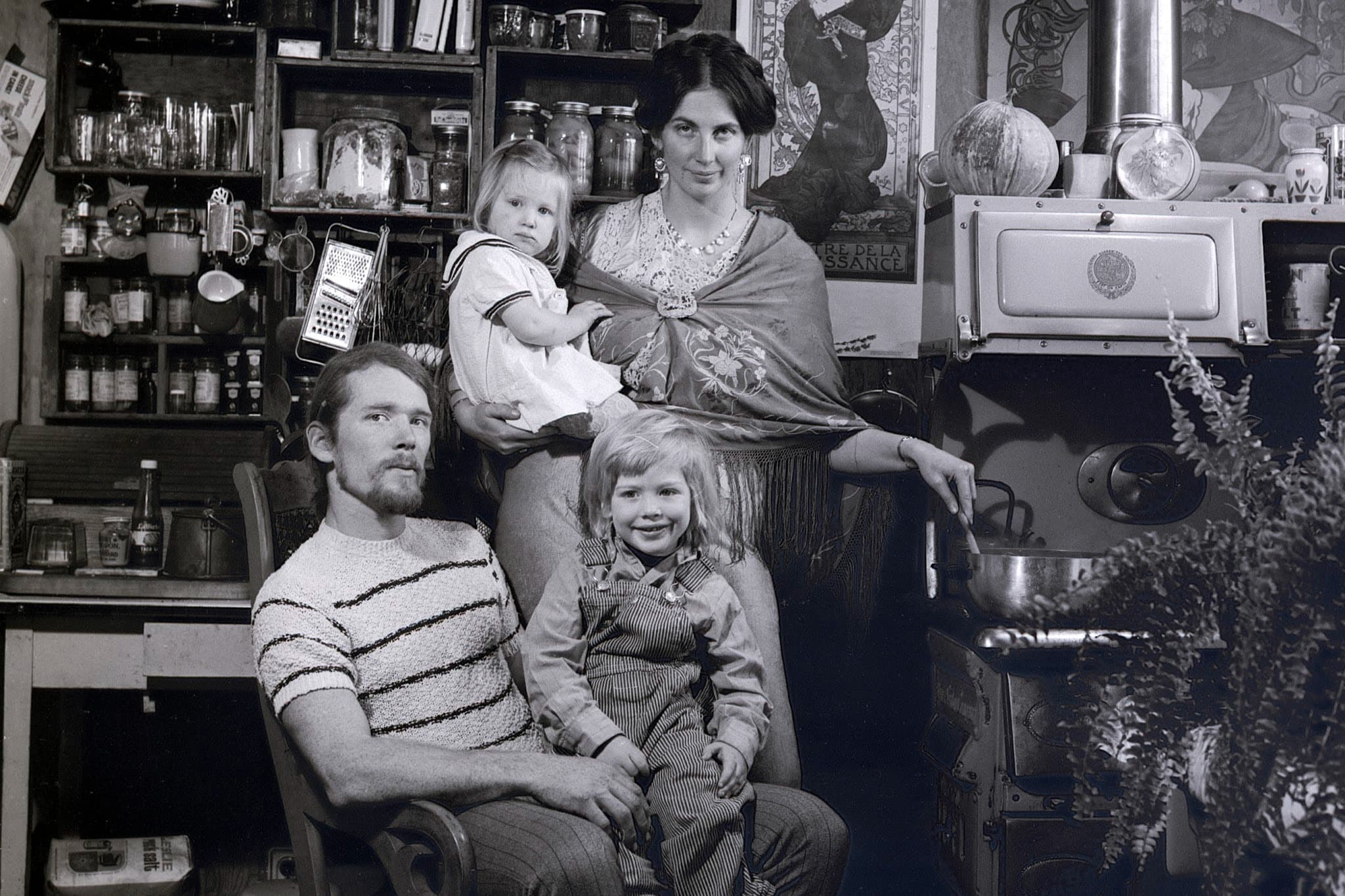
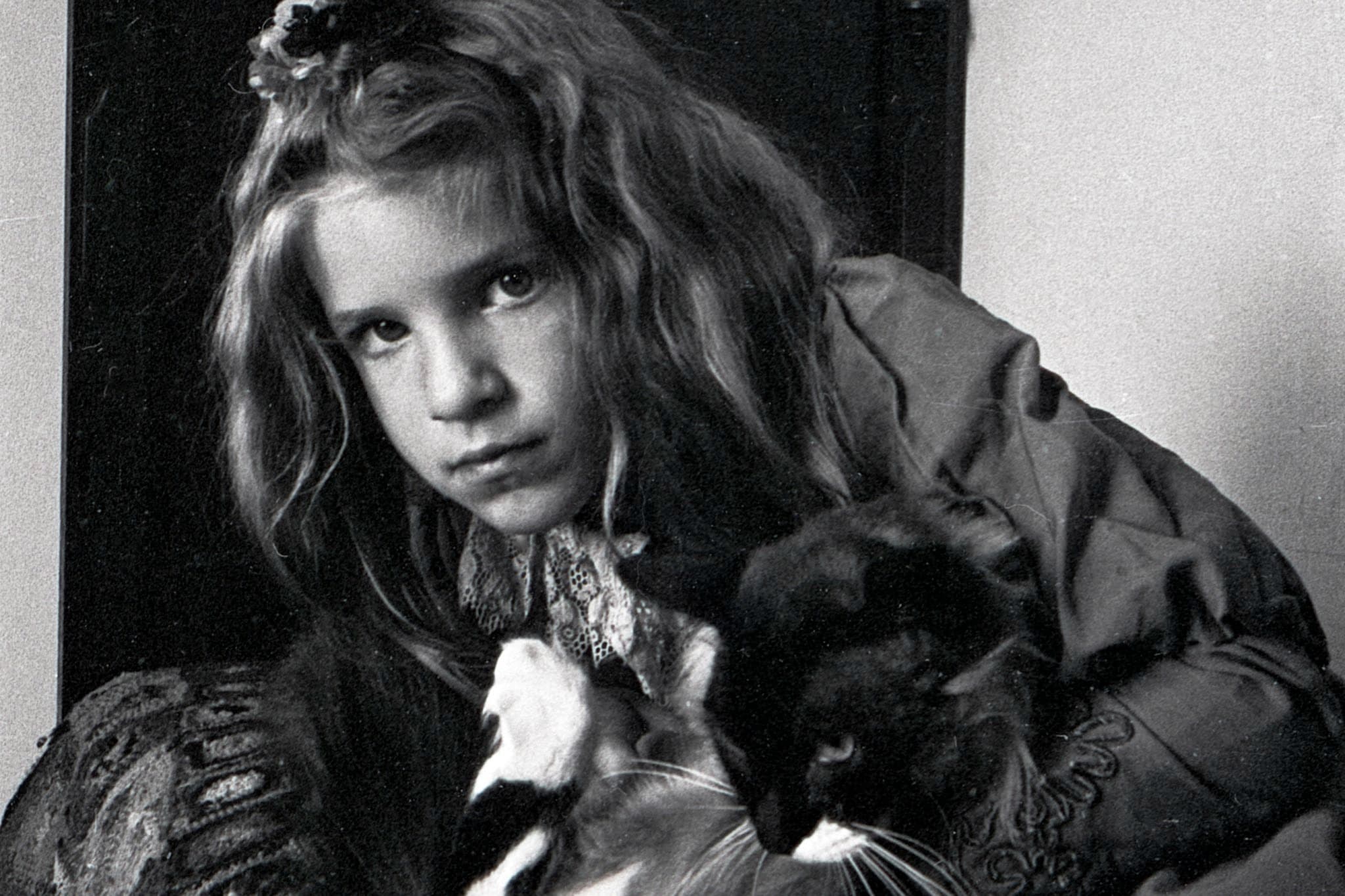
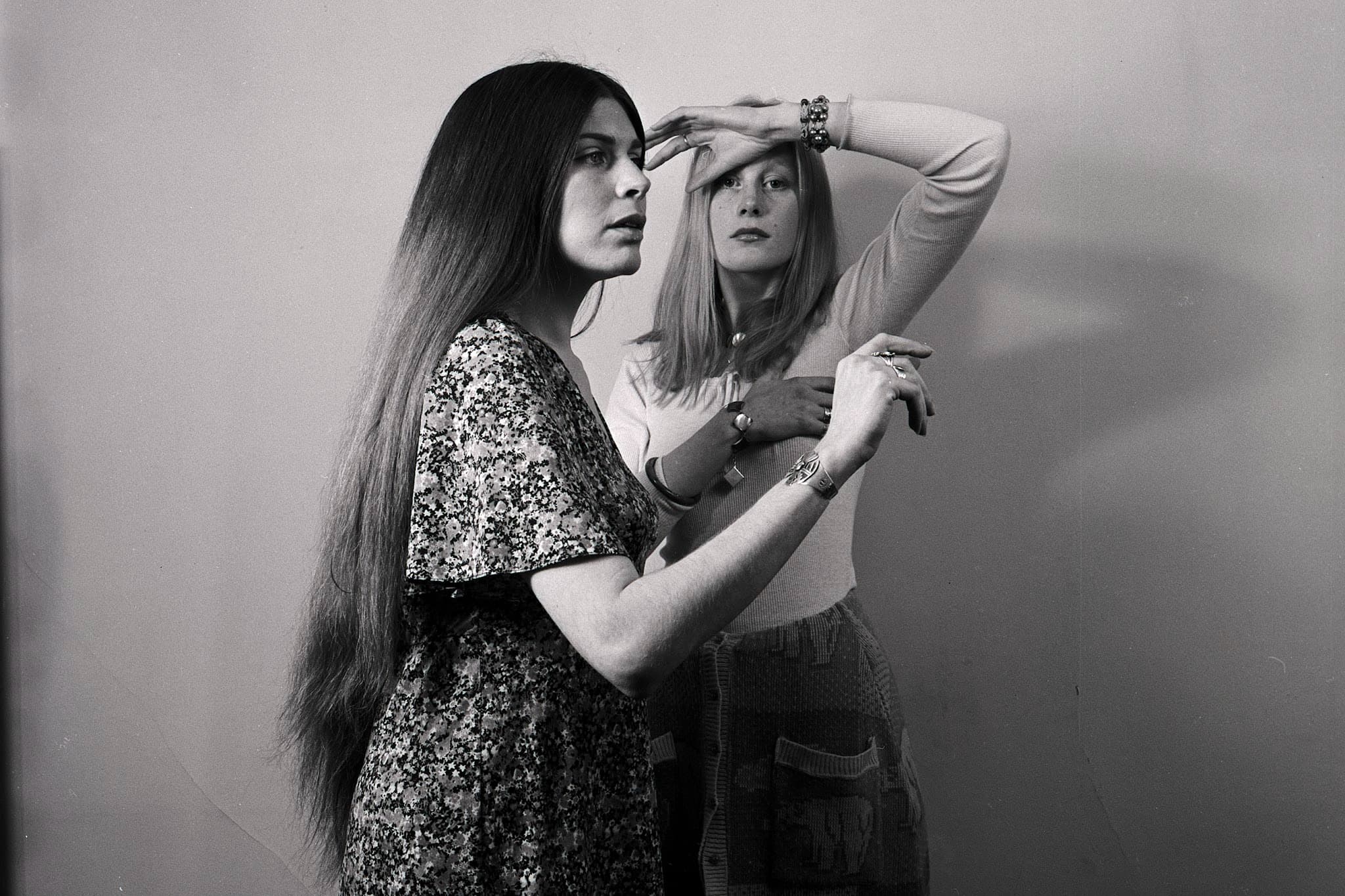
Jerry Wainwright, Bonnie and Harvey, nd. Photograph. Courtesy The Jerry Wainwright Estate
SF Recreation and Parks, Harvey Milk Photo Center
Established in 1940, the Harvey Milk Photo Center is the oldest and largest community wet darkroom in the US, and we’re proud to be funded and managed by the San Francisco Recreation & Parks Department. We offer classes, membership options, a library, and numerous photography exhibitions and events.
Things to Do Around Here
Cafe Réveille has good coffee!
Katherine, Acting Director, SF Recreation and Parks, Harvey Milk Photo Center
At The Grind the breakfast burrito is a classic.
Aaron, Facility Assistant, SF Recreation and Parks, Harvey Milk Photo Center
The Scott Street Labyrinth is a meditative and peaceful place to pause.
Aaron, Facility Assistant, SF Recreation and Parks, Harvey Milk Photo Center