Fault Lines: Reshaping Bay Area Figuration
March 11 – August 23, 2027
The Anderson Collection at Stanford University
A groundbreaking reexamination of Bay Area Figuration that reveals an expanded story of postwar art and life in California
The Anderson Collection at Stanford University
314 Lomita DriveStanford, CA 94305Thursday–Monday 11 a.m.–5 p.m.
Free
ADA Accessible
Fault Lines: Reshaping Bay Area Figuration tells an essential Northern California story by examining both the movement’s celebrated legacy and the artists historically left out of its dominant narrative, through rarely seen paintings, sculptures, prints, and archival material.
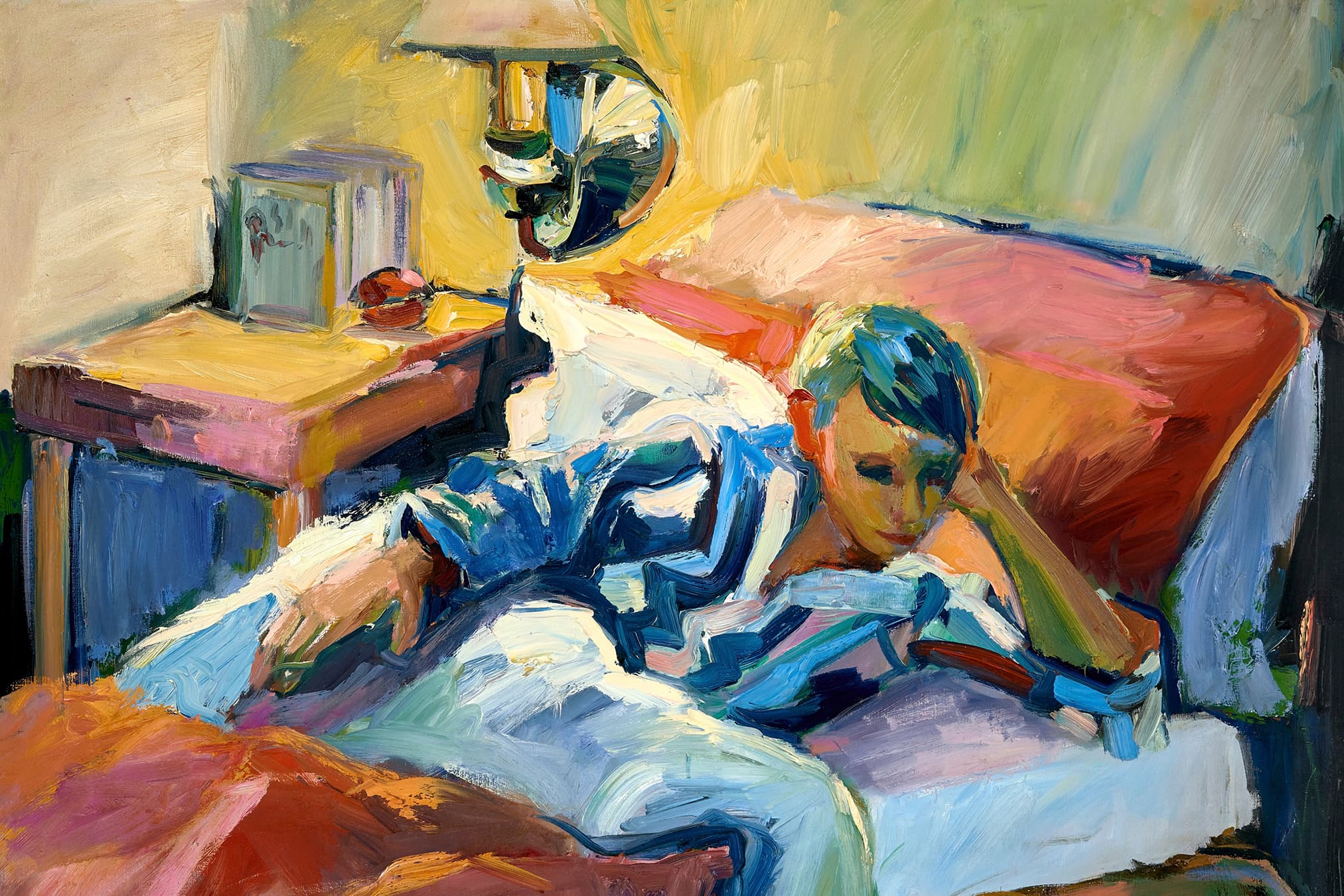
Fault Lines approaches Bay Area Figuration from the 1950s to early 1970s as a site of proximity and difference, where artists worked alongside one another while navigating distinct social, economic, and institutional conditions. Gender, race, and class influenced not only who received recognition but also what kinds of lives could be depicted. While some artists portrayed figures at leisure and in repose, others focused on family life, labor, civil unrest, and political struggle.
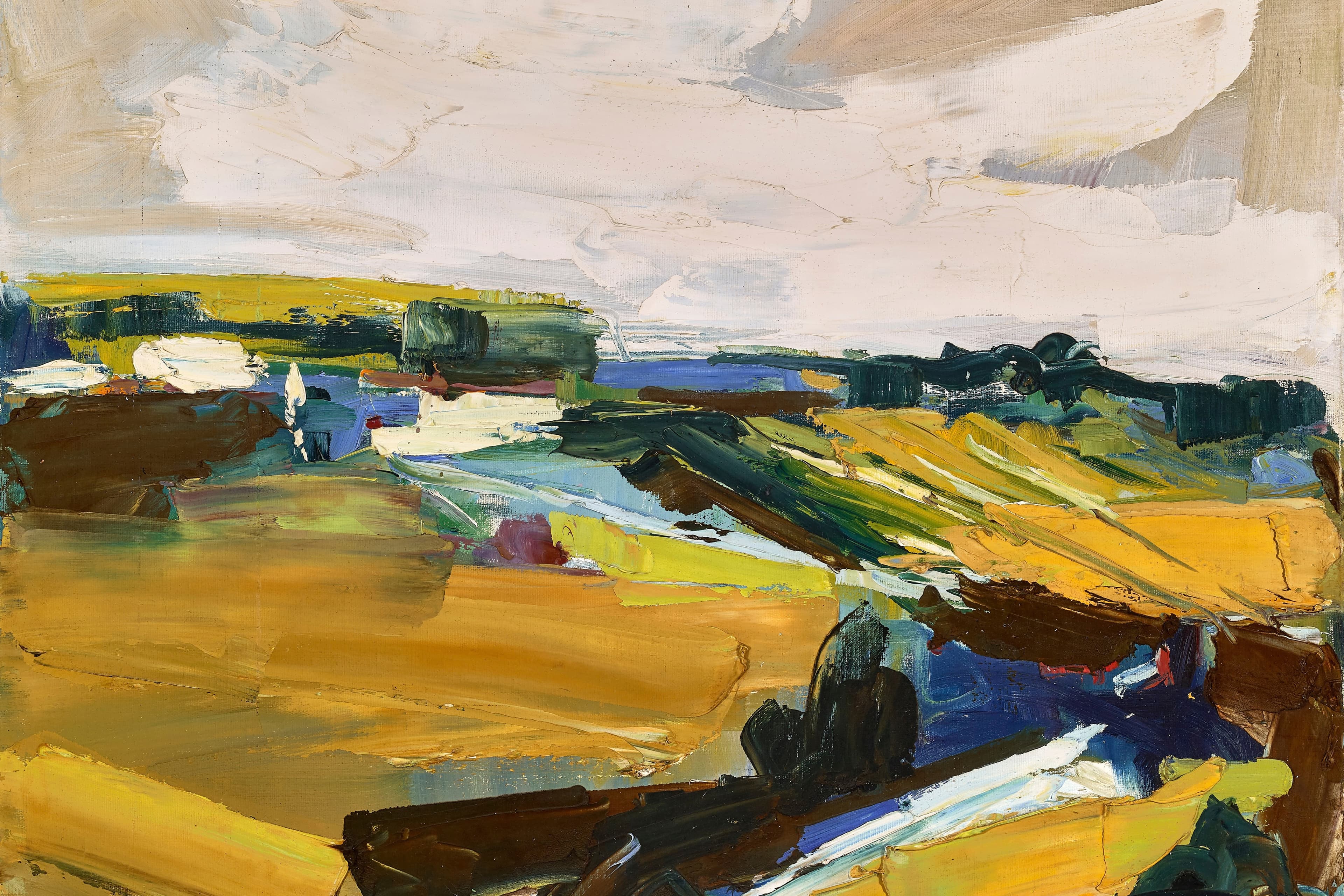
Bringing these works into dialogue for the first time, Fault Lines reveals the tensions and gaps within the historical record that have shaped how postwar figuration in Northern California has been understood, collected, and remembered. Drawing upon the Anderson Collection’s commitment to Bay Area Figuration, the exhibition is anchored by works from Richard Diebenkorn, Manuel Neri, Nathan Oliveira, and David Park, while foregrounding artists whose contributions expand the narrative, including Henrietta Berk, James Leong, Marie Johnson-Calloway, Linda Lomahaftewa, Raymond Saunders, and Fritz Scholder. Fault Lines presents contrasting realities from these transformative decades, reframing the movement within the social, cultural, and political realities of postwar America while centering voices long excluded from its history.
Fault Lines: Reshaping Bay Area Figuration is curated by Trisha Lagaso Goldberg.
Exhibiting Artists
Adelie Landis Bischoff, Beth Van Hoesen, Bruce McGaw, David Park, Elmer Bischoff, Fritz Scholder, Harry Lum, Henrietta Berk, James Leong, Jay DeFeo, Joan Brown, Linda Lomahaftawa, Manuel Neri, Marie Johnson-Calloway, Mike Henderson, Nathan Oliveira, Paul Wonner, Raymond Saunders, Richard Diebenkorn
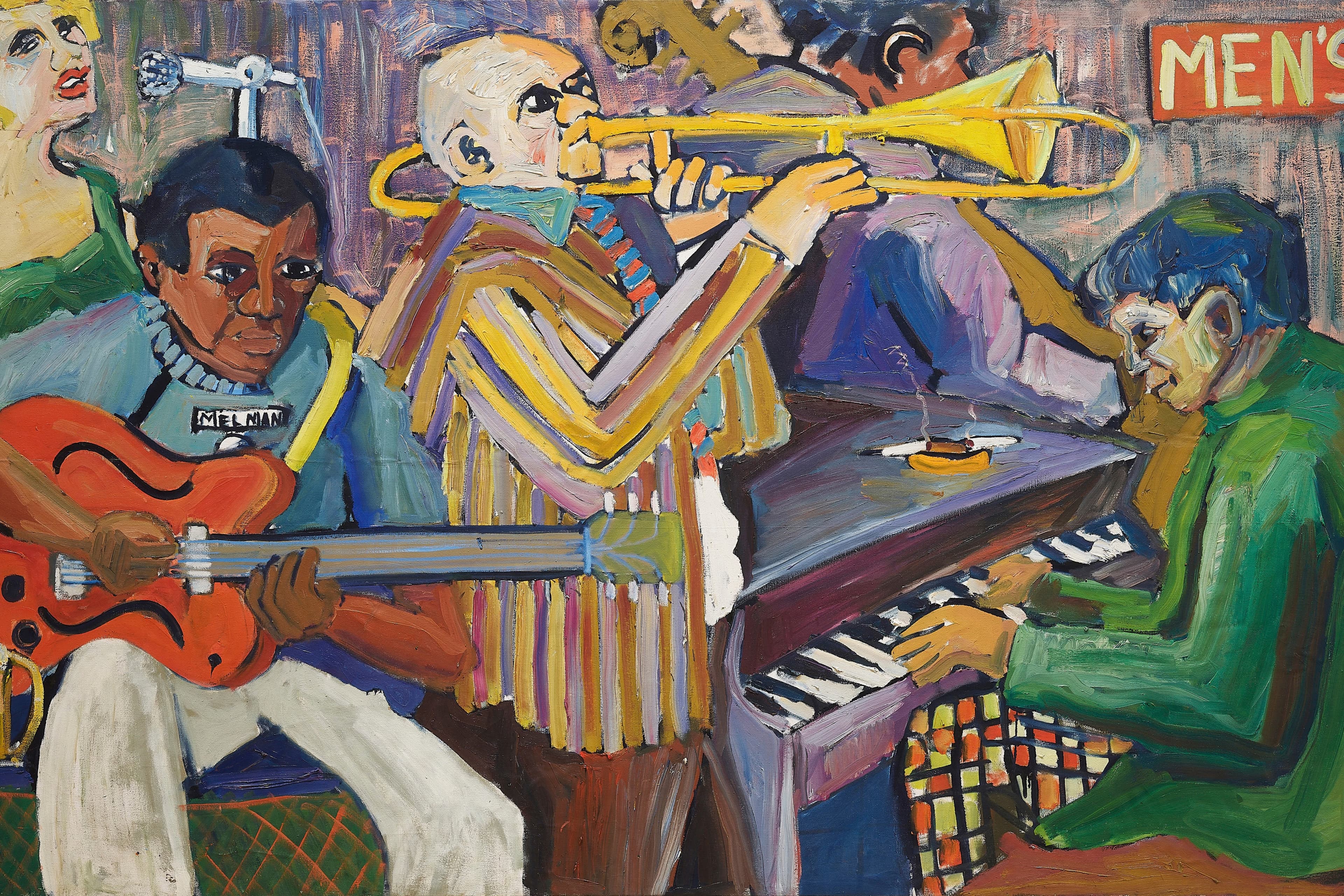
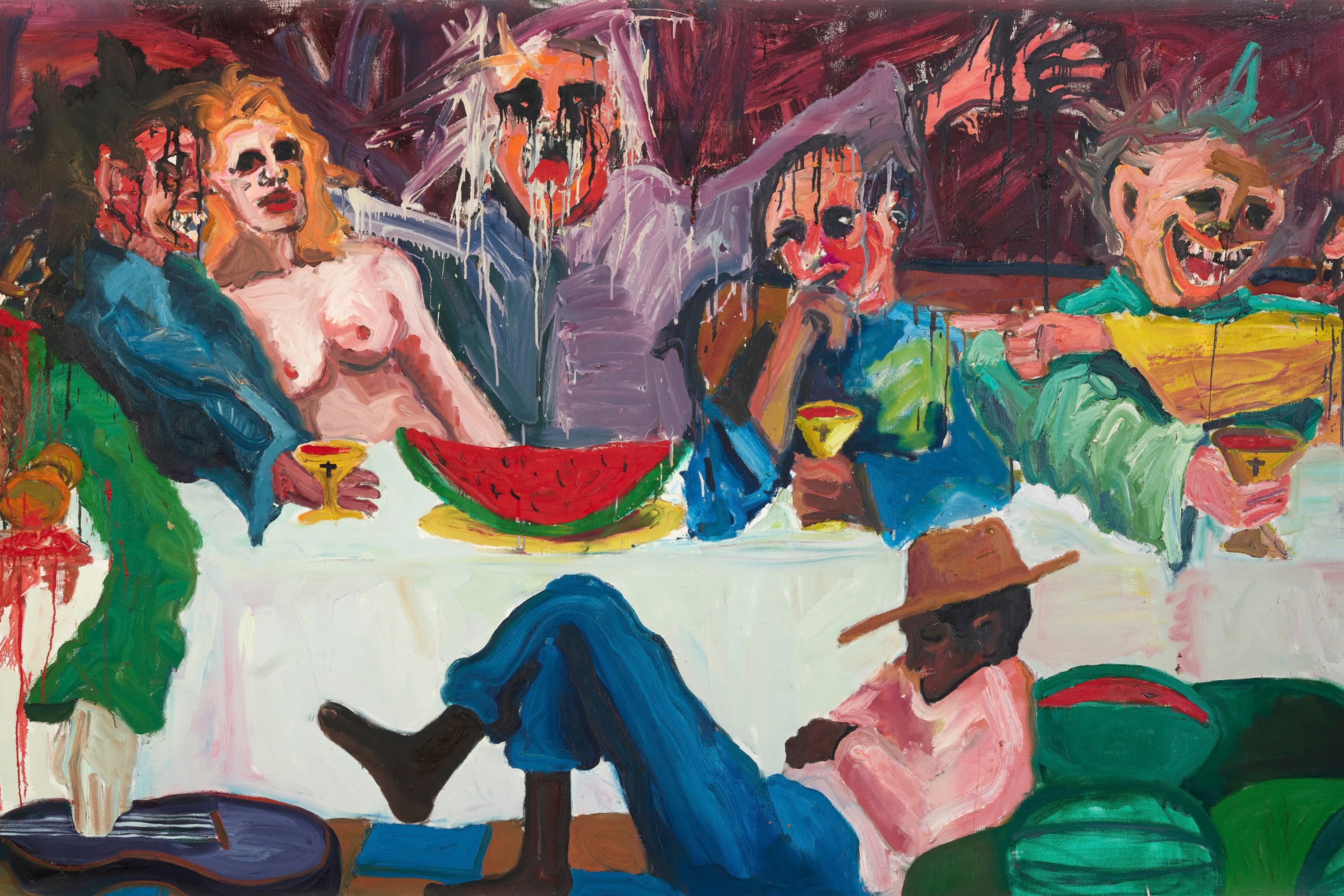
Mike Henderson, Me and the Band (detail), 1968. Oil on canvas, 55 × 96 in. Courtesy of the artist and Haines Gallery. Photo by Robert Divers Herrick
The Anderson Collection at Stanford University
The Anderson Collection at Stanford University is a free museum of modern and contemporary American art. Its extraordinary collection, special exhibitions, and dynamic interdisciplinary programs explore the connections between art and life, and inspire both campus and community engagement.
Things to Do Around Here
Voyager Craft Coffee is a great local coffee spot with a location right on Stanford’s campus, offering craft coffee, pastries, and a relaxed atmosphere.
Anonymous
Tootsies at the Cantor Arts Center is a casual spot on campus serving breakfast, lunch, and coffee in a relaxed setting.
Anonymous
Richard Serra’s Sequence is a monumental steel sculpture sitting on the North Lawn between the Cantor Arts Center and the Anderson Collection and is a great place to take in a major work of public art while exploring the campus.
Anonymous