Archive Room: Irene Poon and Charles Wong
August 6, 2026 – July 5, 2027
Cantor Arts Center at Stanford University
An exhibition on Irene Poon and Charles Wong that sheds new light on each artist’s practice and their evolving connection over several decades
Cantor Arts Center at Stanford University
328 Lomita DriveStanford, CA 94305Monday and Friday 11 a.m.–6 p.m.
Thursday 11 a.m.–8 p.m.
Saturday–Sunday 10 a.m.–5 p.m.
Free
ADA Accessible
Archive Room: Irene Poon and Charles Wong continues the Cantor’s Archive Rooms series highlighting the rich art historical resources available at Stanford. These small, single-gallery, single-artist installations feature engaging selections from the robust holdings of artist archives at Special Collections at Stanford Libraries and enhance our understanding of the artistic process.
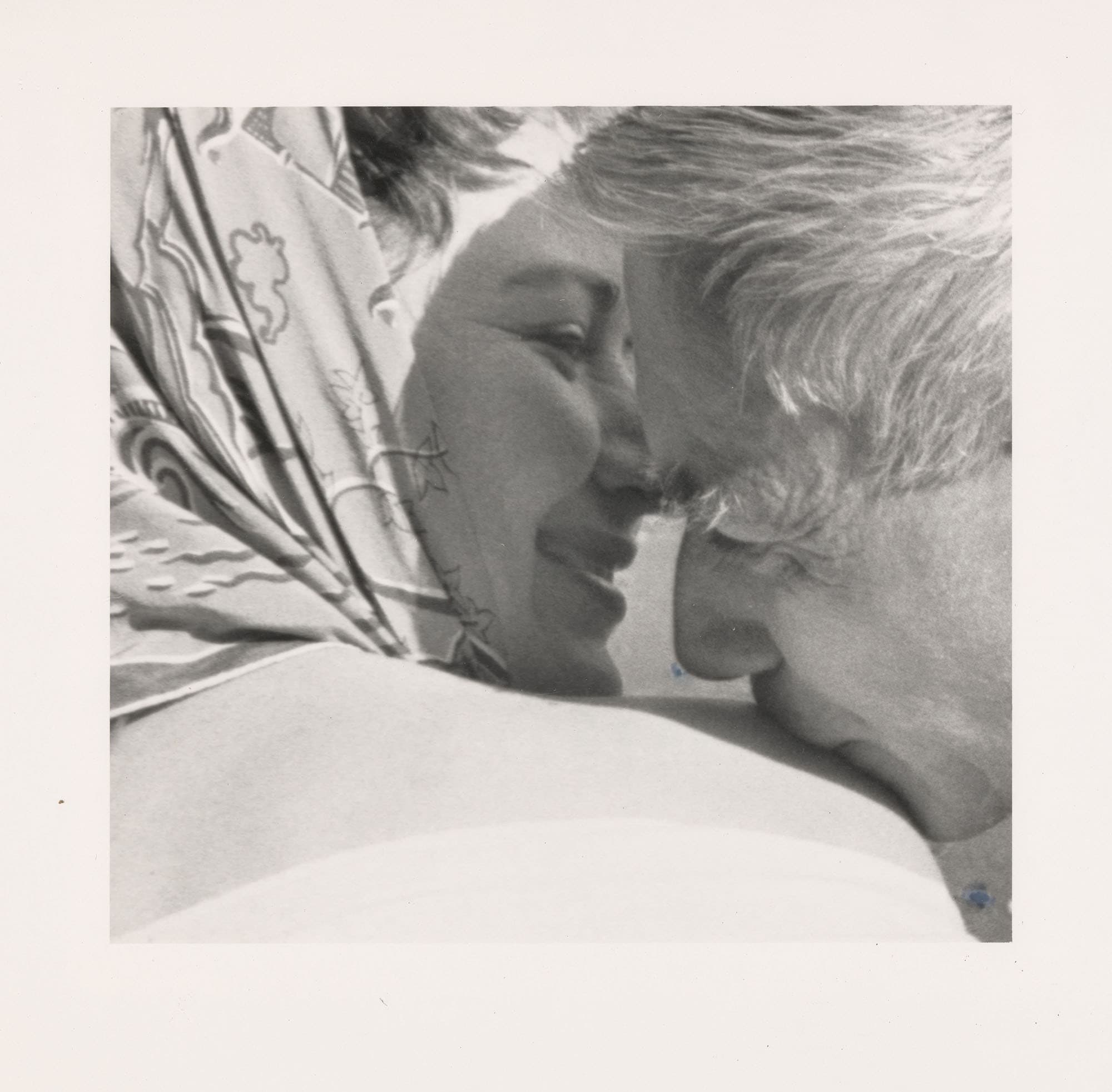
The dual presentation of Irene Poon and Charles Wong sheds new light on each artist’s practice, foregrounding experimental photographic explorations in reflections, windows, and quiet interiors, while situating both figures within the broader development of Asian American art history in the Bay Area. The exhibition also formalizes, for the first time, the artistic partnership and personal relationship between the two, tracing their evolving connection over several decades—from peers to collaborators to life partners.
This presentation features photographic prints from both artists’ archives, alongside their correspondence, personal pictures, and Wong’s writings on Poon’s photography.
An artist, educator, archivist, and community organizer, Poon played a critical role in advancing Asian American art history via exhibitions, publications, and scholarship. Wong, who trained under Minor White and Ansel Adams at the California School of Fine Arts, gained recognition early in his career for photographs documenting San Francisco Chinatown during the 1940s and ’50s. Brought together in the 1990s at the encouragement of photographer Imogen Cunningham, Poon and Wong collaborated on the landmark publication Leading the Way: Asian American Artists of the Older Generation (2001), developing an exchange that later grew into a romantic partnership that continued until Wong’s passing in 2024.
Archive Room: Irene Poon and Charles Wong is organized by the Cantor Arts Center and curated by Ivy K. Vuong, PhD candidate in the Department of Art & Art History at Stanford University.
Exhibiting Artists
Charles Wong, Irene Poon
Exhibition Support
We gratefully acknowledge sustained support for Archive Room: Irene Poon and Charles Wong provided by The Elizabeth K. Raymond Fund for Photography at the Cantor Arts Center.
Cantor Arts Center at Stanford University
Cantor Arts Center at Stanford University offers outstanding visual arts experiences for campus, local, and global visitors. Its collection spans 5,000 years with 40,000+ works. Founded in 1891, its many offerings—which are free to all—make it among the nation’s most-visited university art museums.
Things to Do Around Here
The Cantor collaborated with Voyager Coffee to produce a signature coffee for one of our exhibitions! Only .4 miles from our museum, this place sources, roasts, brews, and serves noteworthy coffee and snacks.
Anonymous
Make Tootsie’s at the Cantor Arts Center a destination before or after your visit to the museums, or enjoy a savory pause between galleries. Owner Rocco Scordella has put together an Italian menu that includes a daily soup, a selection of paninis, the Tootsie’s burger with secret sauce and mozzarella, and of course dolci, vino, e caffè.
Anonymous
The Stanford Arizona Cactus Garden was designed for Jane and Leland Stanford by landscape architect Rudolf Ulrich between 1881 and 1883. During the early years of the university, the Cactus Garden became the meeting place for many courting Stanford students.
Anonymous