Archive Room: Amalia Mesa-Bains
August 6, 2026 – July 5, 2027
Cantor Arts Center at Stanford University
An exhibition from the archive of Amalia Mesa-Bains, an artist who helped define the intellectual and aesthetic foundations of Chicano art history
Cantor Arts Center at Stanford University
328 Lomita DriveStanford, CA 94305Monday and Friday 11 a.m.–6 p.m.
Thursday 11 a.m.–8 p.m.
Saturday–Sunday 10 a.m.–5 p.m.
Free
ADA Accessible
Archive Room: Amalia Mesa-Bains continues the Cantor’s Archive Rooms series highlighting the rich art historical resources available at Stanford. These small, single-gallery, single-artist installations feature engaging selections from the robust holdings of artist archives at Special Collections at Stanford Libraries and enhance our understanding of the artistic process.
The Mesa-Bains Archive Room presentation further contextualizes the artist, curator, and educator’s role in shaping Chicano and Latino art history over the past half century.
Through her artistic practice and scholarship, Amalia Mesa-Bains has helped define the intellectual and aesthetic foundations of Chicano art history while developing a deeply influential body of work centered on collective memory and the political potential of art. This presentation highlights a selection of artwork, writing, and other ephemera from the artist’s archive at Stanford Special Collections. Drawing from the traditions of Mexican domestic altars, Mesa-Bain’s large-scale installations transform intimate rituals of daily life into sculptural environments, giving form to new systems of knowledge integrating spirituality, ancestral knowledge, and feminist and liberationist frameworks, while generating space for new ways of thinking and relating.
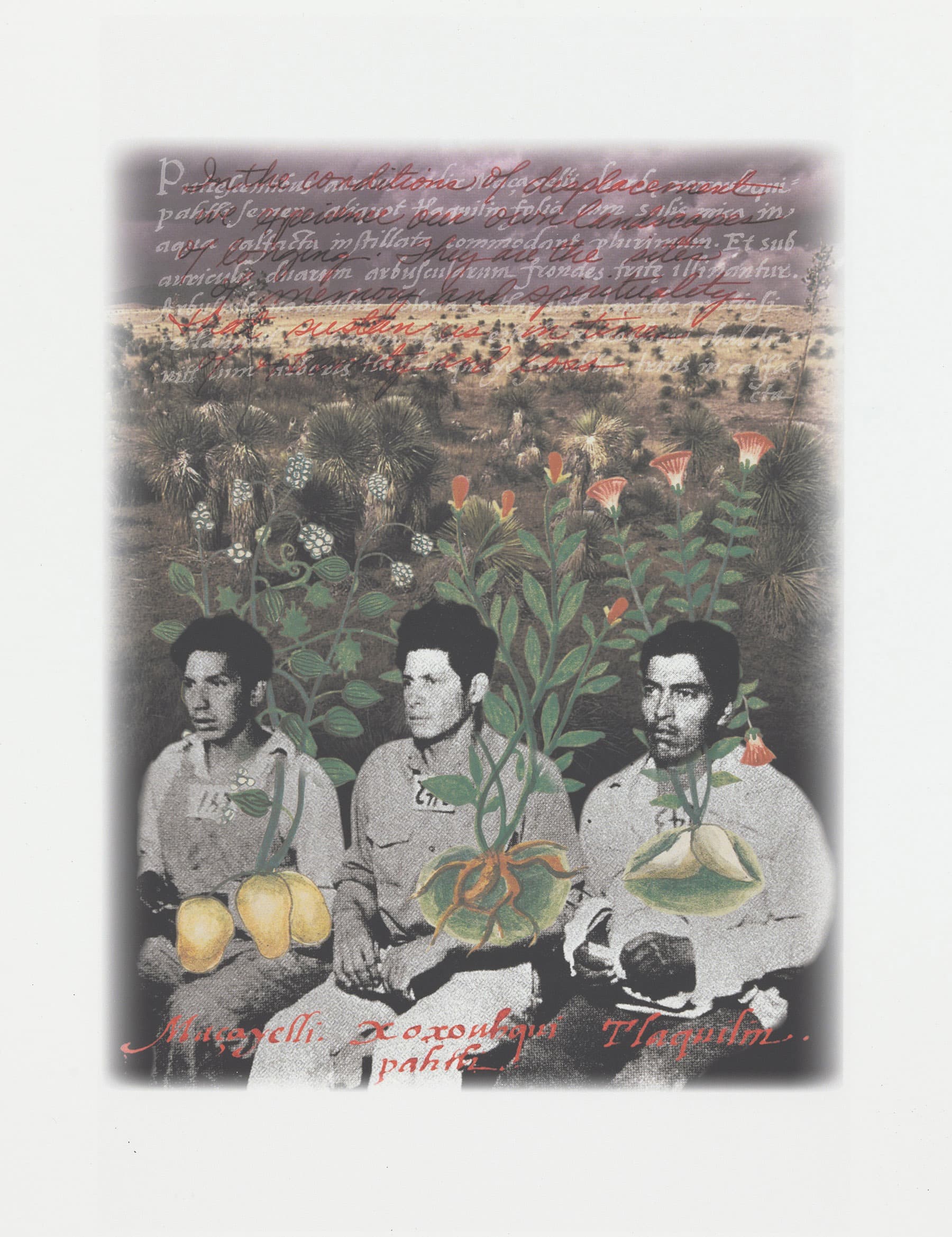
Selections from Mesa-Bains’s archive, including recent print works and objects spanning multiple decades of her oeuvre, are presented alongside hand-drawn installation studies, journal entries, photographs of the artist at work, and personal correspondence, including a love letter to her husband.
Archive Room: Amalia Mesa-Bains is organized by the Cantor Arts Center and curated by Jorge Eduardo Sibaja, former Curatorial Assistant.
Exhibiting Artists
Amalia Mesa-Bains
Cantor Arts Center at Stanford University
Cantor Arts Center at Stanford University offers outstanding visual arts experiences for campus, local, and global visitors. Its collection spans 5,000 years with 40,000+ works. Founded in 1891, its many offerings—which are free to all—make it among the nation’s most-visited university art museums.
Things to Do Around Here
The Cantor collaborated with Voyager Coffee to produce a signature coffee for one of our exhibitions! Only .4 miles from our museum, this place sources, roasts, brews, and serves noteworthy coffee and snacks.
Anonymous
Make Tootsie’s at the Cantor Arts Center a destination before or after your visit to the museums, or enjoy a savory pause between galleries. Owner Rocco Scordella has put together an Italian menu that includes a daily soup, a selection of paninis, the Tootsie’s burger with secret sauce and mozzarella, and of course dolci, vino, e caffè.
Anonymous
The Stanford Arizona Cactus Garden was designed for Jane and Leland Stanford by landscape architect Rudolf Ulrich between 1881 and 1883. During the early years of the university, the Cactus Garden became the meeting place for many courting Stanford students.
Anonymous